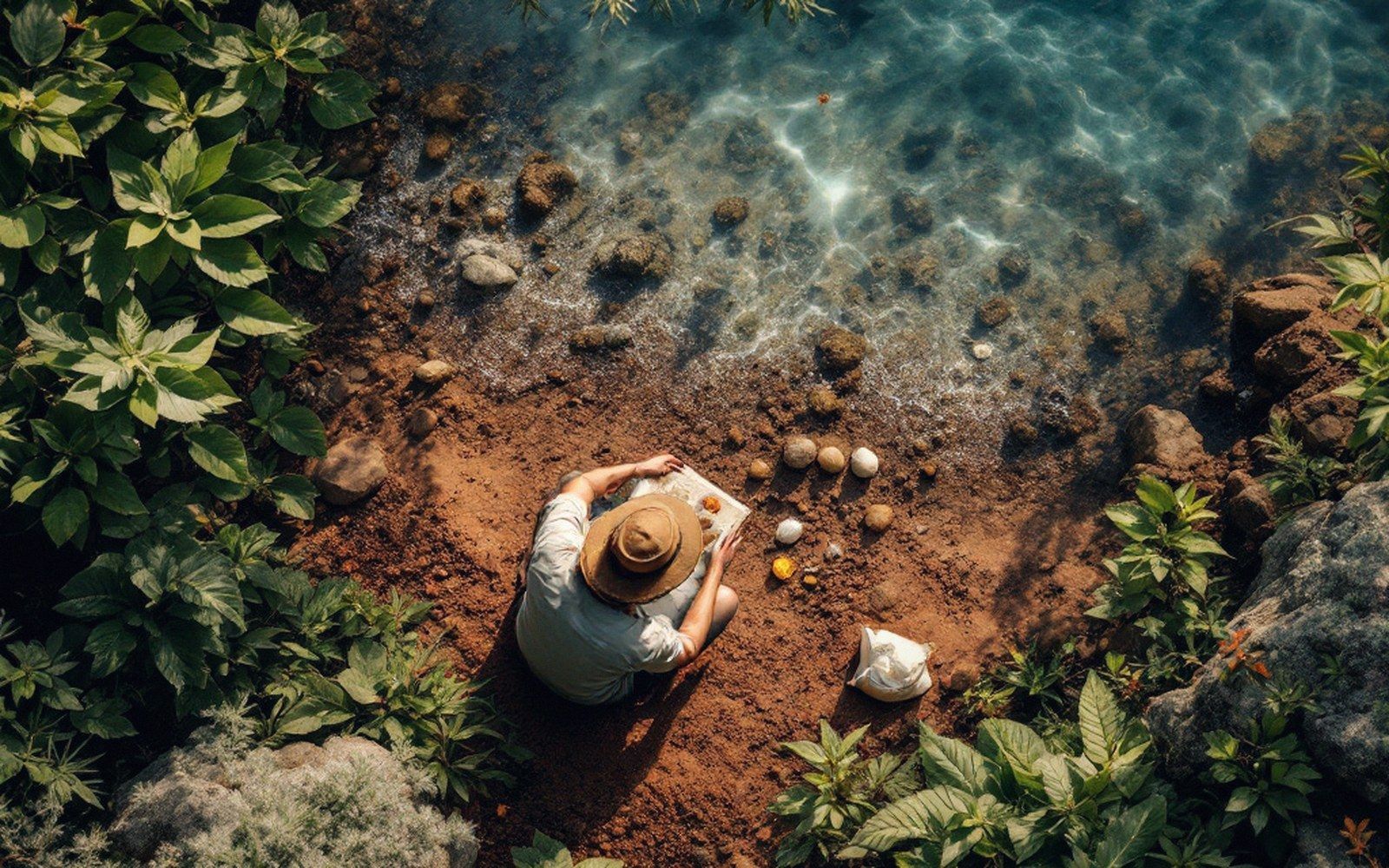
The shrub that rewrote the family tree
A modest shrub found only here that sits at the base of the entire flowering-plant family tree — the sister lineage to every other flower on earth.
New Caledonia separated from Gondwana on the order of eighty million years ago and drifted with a cargo of ancient lineages, most of them since lost elsewhere. What is left is not a smaller version of Australia or of the Pacific. It is a place where the rock, the reef and a handful of survivors have been working on each other, alone, for a very long time.
Kindred ground and reef.
Roots in the same ancient soil.Allies in these islands' deep story.










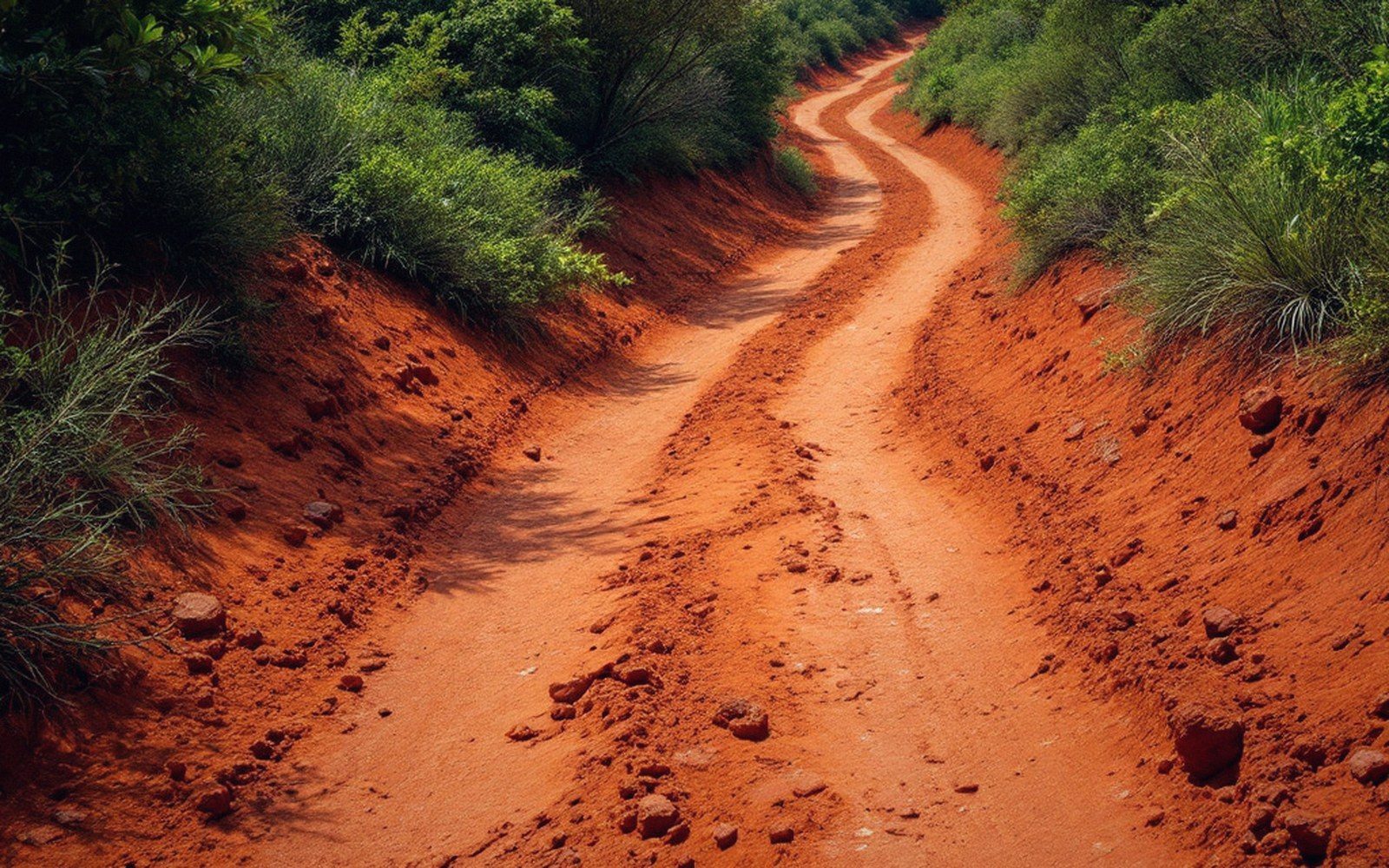
Everything above the soil is explained by the soil
Peridotite, thrust over the southern third of Grande Terre, weathers into a soil loaded with nickel, chromium and magnesium and short of nitrogen, phosphorus and potassium. It is lethal to most plants. The survivors specialise so narrowly that a species list can change from one massif to the next — and a few of them carry the metal in their own tissue.
A barrier reef of some 1,500 kilometres, doubled off the north-west
Inside it lies one of the largest enclosed lagoons on earth: sand flats, seagrass, patch reef, and passes where the tide runs hard enough to be heard from the shore. Off Voh and Poum the structure repeats itself, with a second lagoon caught between two reef lines.
A flora assembled by a soil most plants cannot survive, inside a reef that keeps the ocean out. Nothing about this island is incidental.
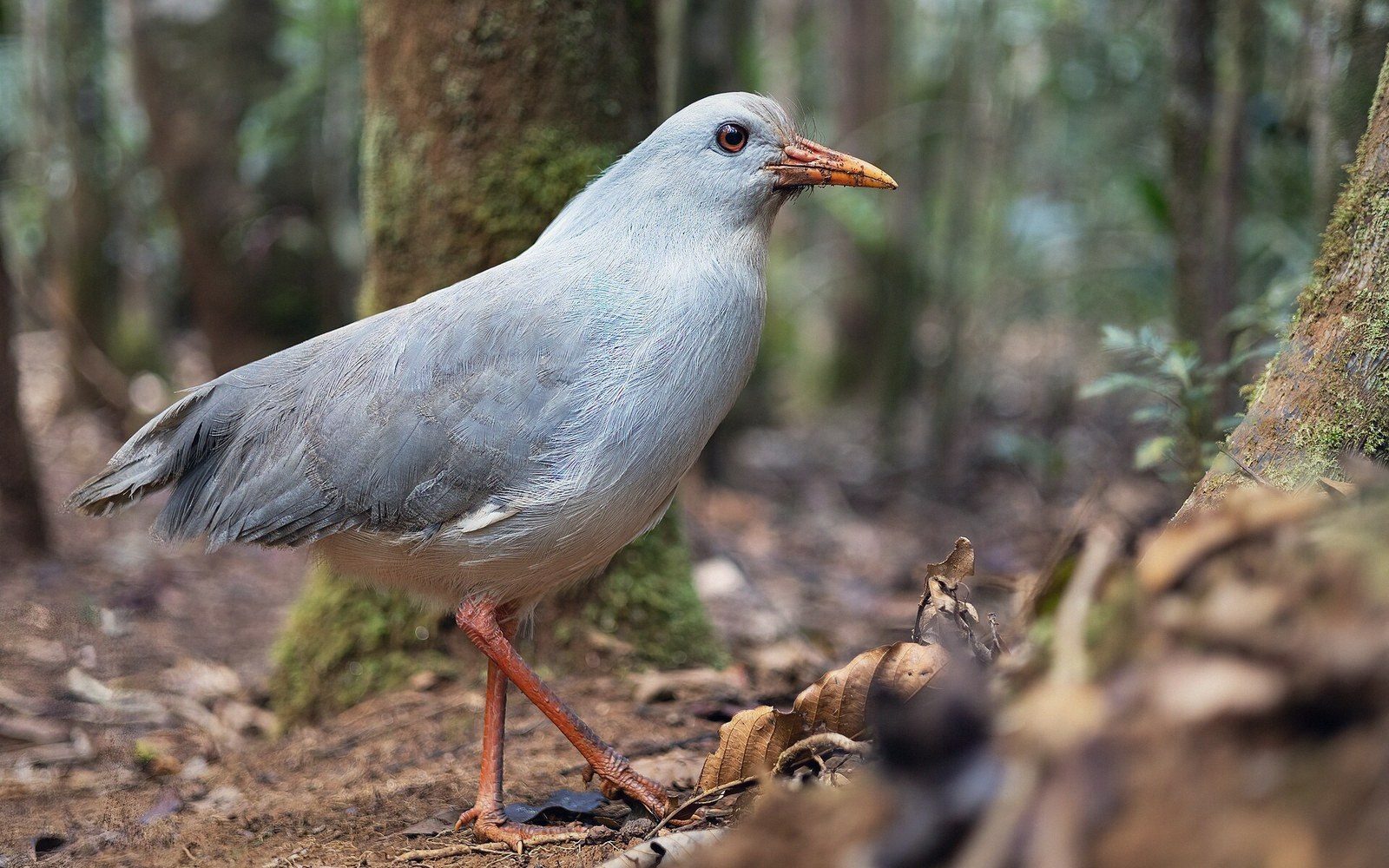
A grey bird with no relatives, and a crow that makes hooks
The kagu is the only living member of its family: near-flightless, ash-grey, hunting by ear on the forest floor. Its nearest relative is the sunbittern, on the other side of the Pacific. In the same forest Corvus moneduloides cuts stepped strips from pandanus leaves and works them into hooked probes — one of very few animals outside the primates known to manufacture a tool.
The grande case, and around thirty languages still spoken
A conical house built around a central post, carved jambs at the door and a spear at the ridge, standing at the head of the alley on a clan’s ground. Customary tenure is a present arrangement, not a historical one; Drehu, Nengone, Paicî, Xâràcùü and two dozen more languages are spoken across Grande Terre and the Loyalty Islands.

Elsewhere in the register
All twenty entries →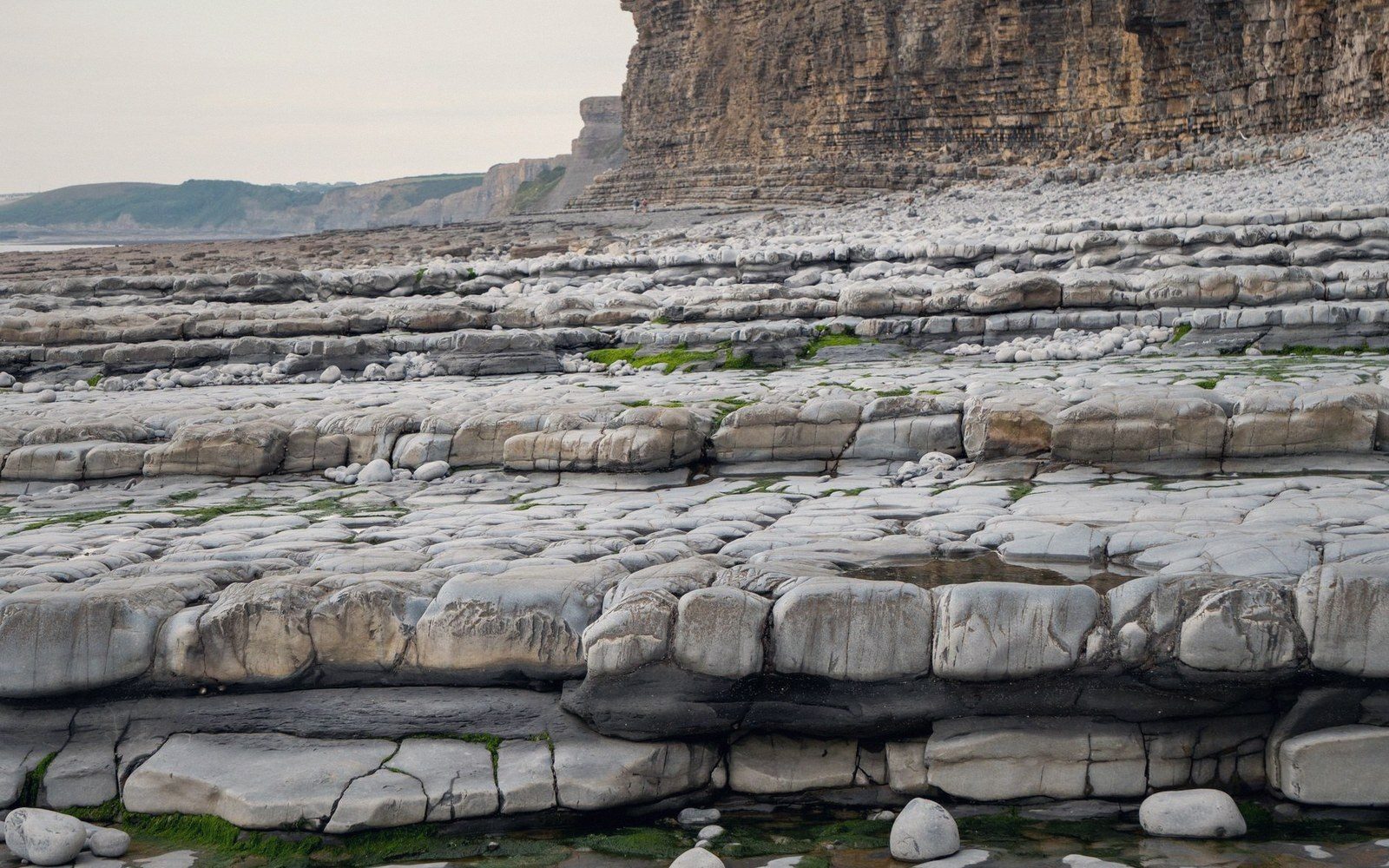
Rift and drift
Grande Terre separated from Gondwana roughly eighty million years ago, and almost everything peculiar about the island follows from how long ago that was.
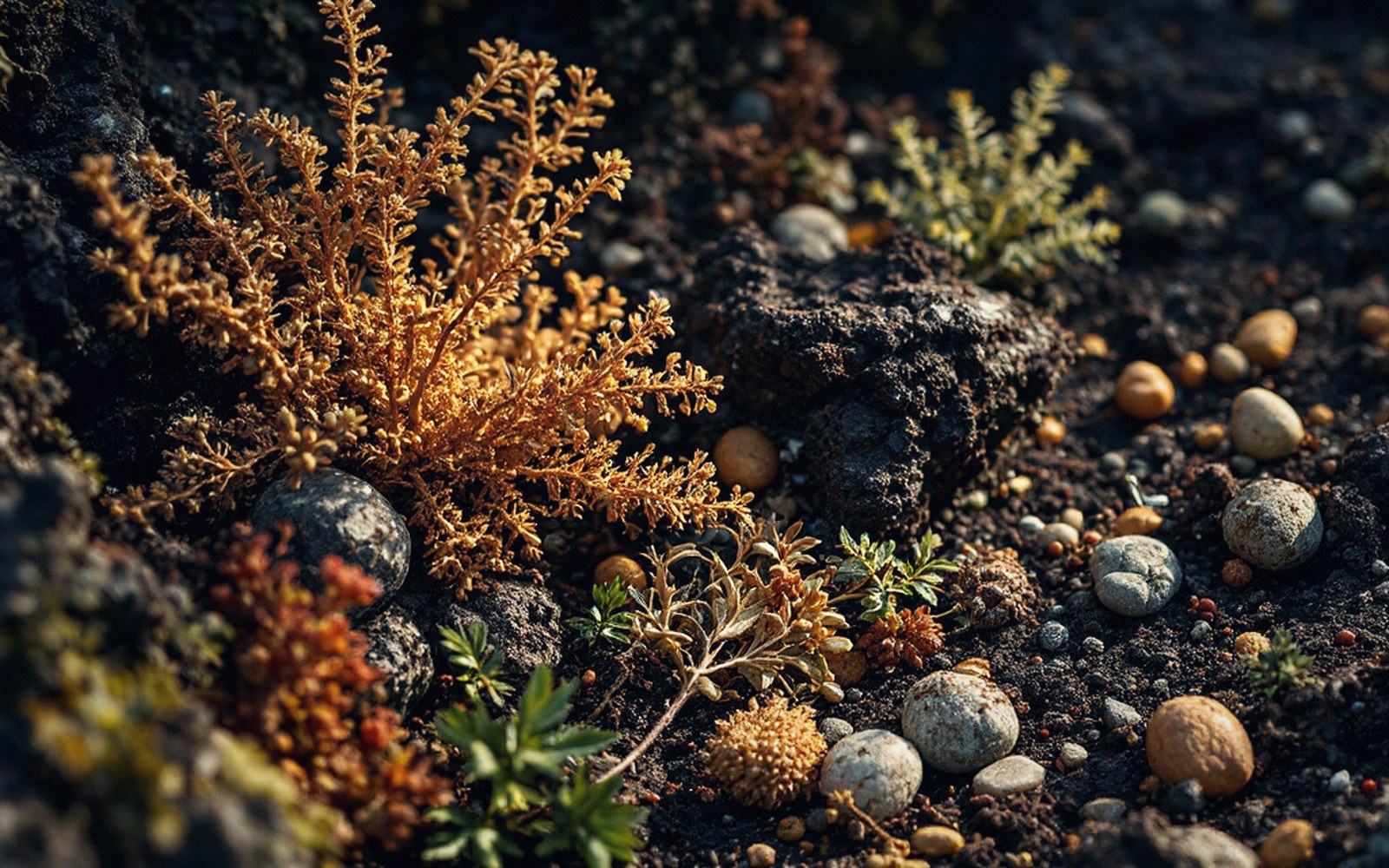
The maquis minier
The low, hard scrub that grows on metal-rich ground, and why its species are so often confined to one massif.
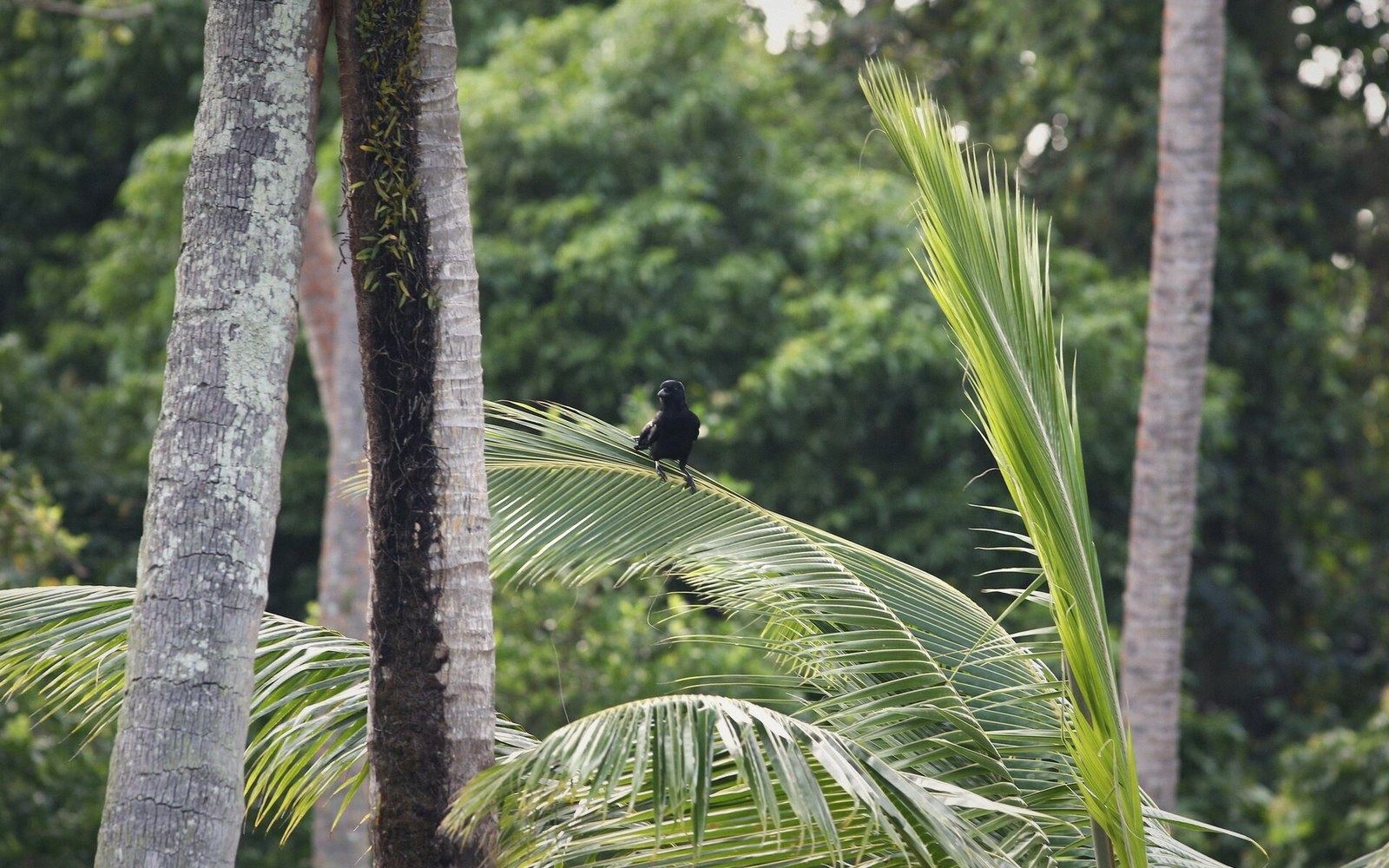
The tool-making crow
Corvus moneduloides shapes hooked tools from pandanus and is one of very few animals outside primates known to manufacture them.
The Tjibaou Centre
Renzo Piano's ten timber cases at Nouméa, shaped and slatted to work the trade wind, opened in 1998.