What lies beneath the quiet water
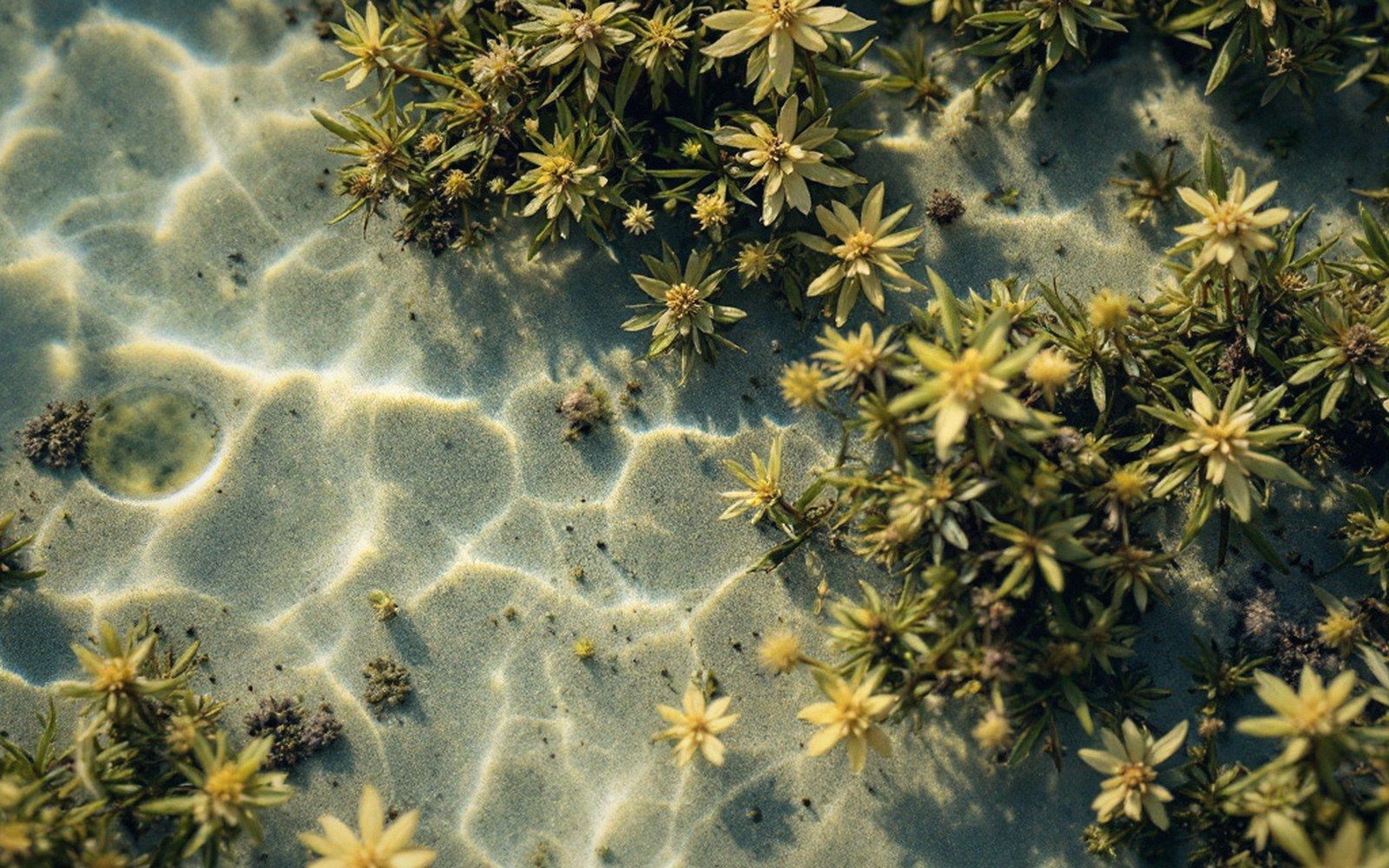
New Caledonia's lagoon is not simply sheltered sea. The barrier reef blocks oceanic swell and reduces tidal flushing, so the water inside warms more readily and carries more suspended sediment than the open Pacific. In the shallows along Grande Terre's western coast, this creates a layered floor: seagrass meadows in the murkier nearshore zones, bare sand flats and carbonate rubble farther out, and scattered patch reefs rising where the substrate is firm enough to anchor coral growth.
The seagrass beds — dominated by Halodule, Halophila and Cymodocea species — are the lagoon's hidden engine. Their roots stabilise sediment, their canopy shelters juvenile fish and invertebrates, and their decomposing leaves feed the microbial communities that cycle nutrients back into the water column. Dugongs graze these meadows, and the dugong population here is among the largest remaining in the Pacific.
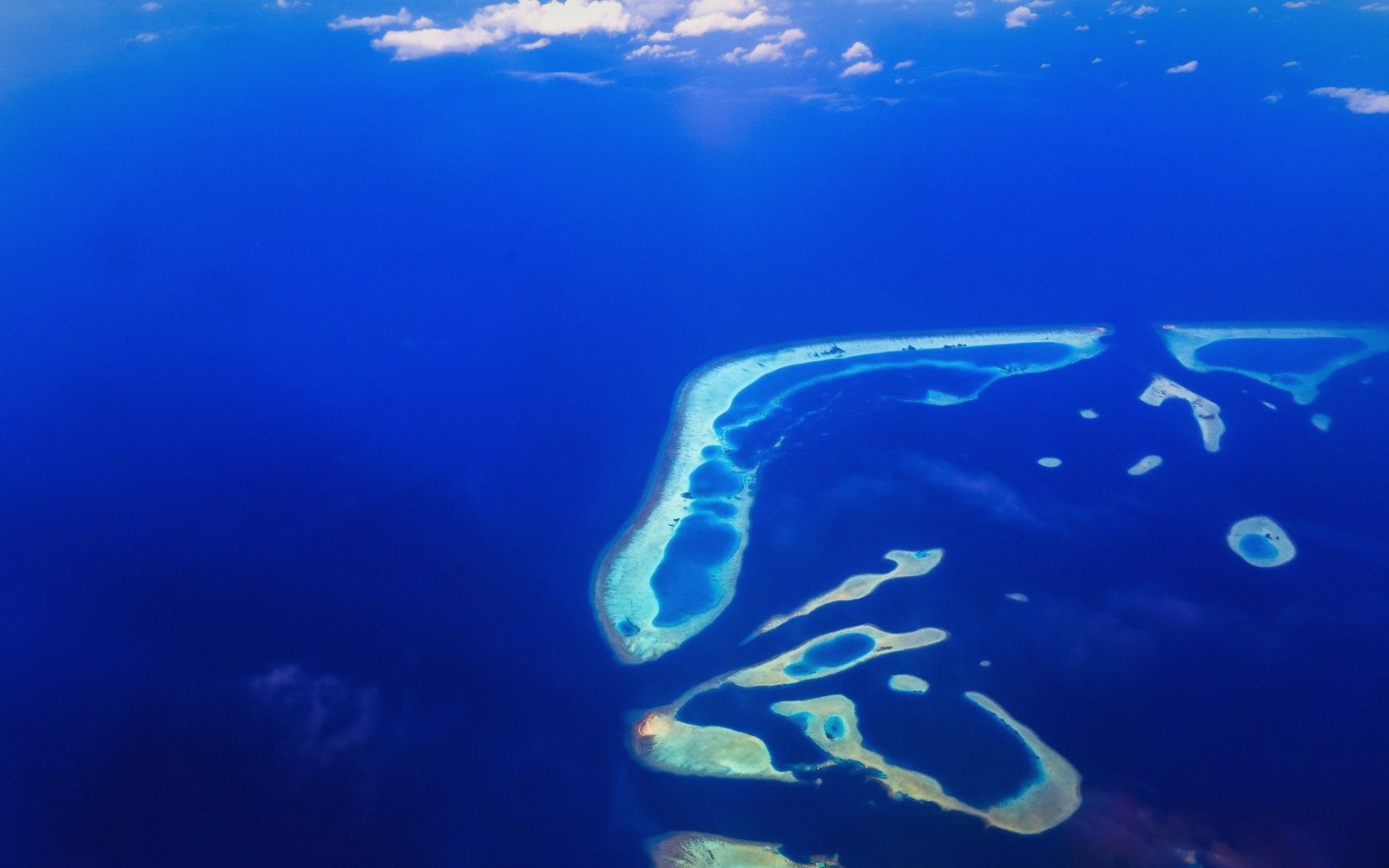
Patch reefs punch up through the sandy floor at irregular intervals, each one a local biodiversity spike. Because the lagoon water is warmer and more turbid than reef-crest water, the corals on patch reefs tend toward tolerant, sediment-shedding forms — massive Porites heads and foliose colonies rather than the branching acroporids that dominate exposed outer slopes. Water temperature in the lagoon can exceed 30 °C in the austral summer, pushing some colonies toward periodic bleaching.
The carbonate sand itself is biogenic — ground-down coral skeleton, mollusc shell and the calcareous remains of foraminifera — and it continues to form as long as the reef community is productive. The lagoon floor is, in this sense, the accumulated output of the reef: a record of biological activity preserved in sediment. Beneath the apparent stillness of the enclosed water, a slow, material exchange between living reef and dead floor is always under way.
Field notes
Facts, threats and strongholdsKey relationships
- Seagrass beds — stabilise sediment, shelter juveniles, feed microbial communities; dugong grazing grounds
- Patch reefs — rise from sandy floor; dominated by massive Porites rather than branching forms due to warmth and turbidity
- Carbonate sand — biogenic in origin; ground coral, shell and foraminifera remains
- Lagoon vs. ocean — warmer, more turbid, lower tidal exchange; these differences drive distinct community structure