The fauna that never came
In most biogeography, you count what arrived. In New Caledonia, what never arrived is equally informative.
Grande Terre drifted away from Gondwana roughly eighty million years ago, carrying whatever organisms rode the raft. It then spent a long stretch partly or wholly submerged, a catastrophic filter that reset the terrestrial record. By the time land re-emerged and stabilised, the island was deep in the Pacific with no convenient stepping-stone chains leading to it. The result is a fauna defined as much by gap as by presence.
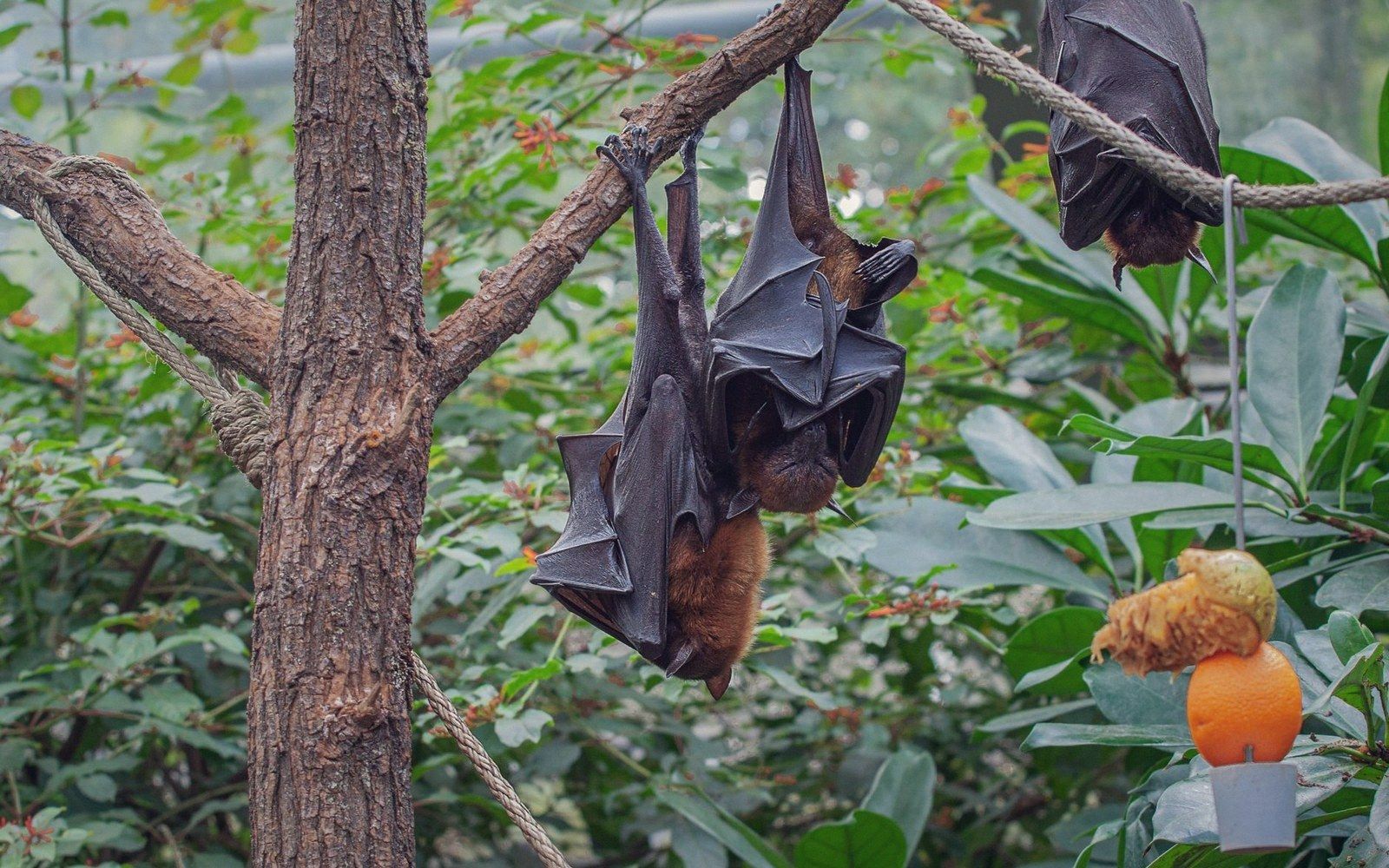
The most striking gap is mammals. New Caledonia has no native terrestrial mammals at all — no rodents, no marsupials, no insectivores, no cats or civets or deer. The only mammals truly native to the archipelago are bats: several species of flying fox and smaller insectivorous bats, animals capable of crossing open ocean under their own power.
Everything else arrived in a canoe or a cargo hold: rats and mice with Lapita and later voyagers, pigs and dogs with Kanak settlement, the full complement of European livestock and vermin after 1853. None of that is native fauna.
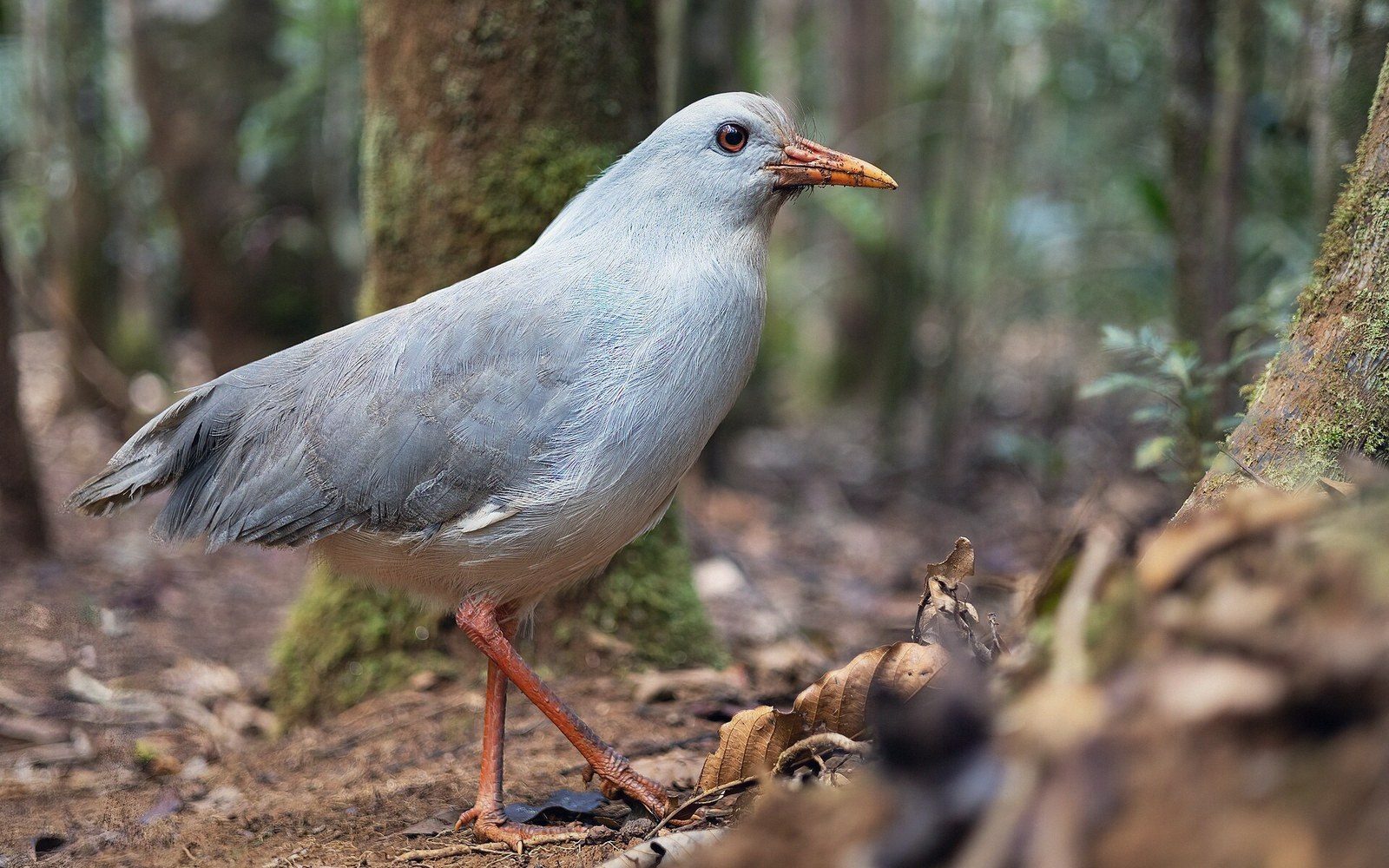
This vacancy shaped everything that was here. With no ground predators and no browsing mammals, birds occupied ecological roles that elsewhere belong to other classes. The kagu — flightless, forest-floor, probing leaf litter — filled a niche that on most continents a small carnivorous mammal would hold. The tool-making crow, Corvus moneduloides, exploits invertebrates in dead wood the way a mammal with hands might. Neither species makes biological sense unless you understand what was absent.
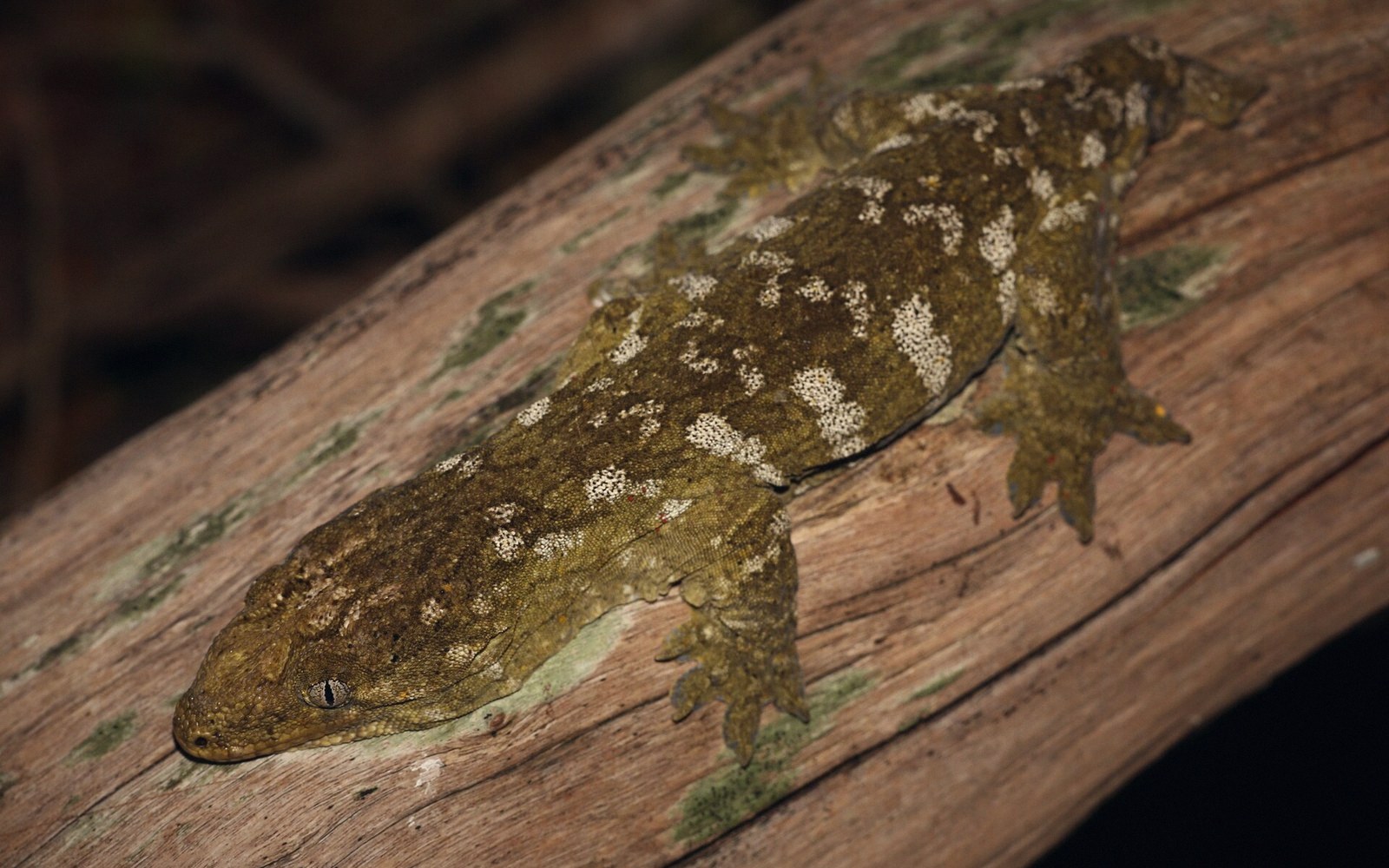
Reptiles filled further gaps. The lizard fauna diversified into forms and sizes — including Rhacodactylus leachianus, among the largest geckos alive — that elsewhere are kept in check by mammalian competition and predation.
Field notes
Facts, threats and strongholdsKey contrast
- Native terrestrial mammals — zero
- Introduced mammals — rats, mice, pigs, dogs, cats, deer, cattle (all post-settlement)
The flora shows the same logic in reverse: plants evolved without the mammal browsers and seed dispersers found on continental land masses, which partly explains the extraordinary proportion of wind- and bird-dispersed seeds, and the chemical defences — including heavy-metal hyperaccumulation in ultramafic soils — that developed against insect pressure rather than grazing.
Absence, here, is not emptiness. It is the condition under which everything present became what it is.